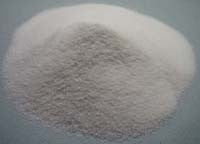
BORAX PENTAHYDRATE
Sodium Tetraborate Pentahydrate
Technical grade
Click Here if you are looking for Borax decahydrate
What is borax: In the UK, Borax is sold as a naturally occurring compound found in the mineral Tinkhanite. It best known as a laundry booster and water softener. Borax is also excellent as a multi-purpose household cleaner with many uses throughout the house including craft projects.
Although it has numerous industrial uses, in the home borax is used as a natural laundry booster, for cleaning, fungicide, preservative, insecticide (ants, fleas etc), disinfectant, desiccant, and ingredient in making "slime". Borax crystals are odourless, whitish and alkaline. Borax is not flammable and is not reactive. It can be mixed with most other cleaning agents, including chlorine bleach.
Please Note: This product has been reclassified by the ECHA as Reprotoxic Category 2 and as such is not available to the general public. Borax can only be purchased by Professionals and by trade and business users or for scientific research.
NEW - We now have a BORAX SUBSTITUTE available on the website. Click here for more details.
Properties of Borax:
- Synonyms: Borax Pentahydrate, Sodium borate, Disodium tetraborate Boron
- CAS No.: 11130-12-4
- EC No: 601-071-6
- Appearance: white crystalline powder
- Density: 1.82 g/cm3 (solid)
- Melting point: 741 oC
- Na2B4O7.5H2O: 99.5% min
- Mol Wt: 291.3
Comparison between Borax Pentahydrate and Borax Decahydrate:
Because of the lower 'water of crystallisation' in the Pentahydrate (5H2O) compared to the Decahydrate (10H2O) a measured weight of borax pentahydrate dissolved in a set amount of water will produce a stronger solution of Borax than the equivalent weight of Decahydrate dissolved in the same amount of water.
Ratio of Decahydrate : Pentahydrate = 1 : 0.76
Example: 100g decahydrate in 1 litre of water = 76g Pentahydrate in 1L of water.
The two solutions are identical in terms of chemical composition, borax concentration, pH, and all other chemical and physical properties.
How Does Borax Clean?
Borax has many chemical properties that contribute to its cleaning power. Borax and other borates clean and bleach by converting some water molecules to hydrogen peroxide (H2O2). This reaction is more favourable in hotter water. The pH of borax is about 9.5, so it produces a basic solution in water, thereby increasing the effectiveness of bleach and other cleaners. In other chemical reactions, borax acts as a buffer, maintaining a stable pH needed to maintain cleansing chemical reactions. The boron, salt, and/or oxygen of boron inhibit the metabolic processes of many organisms. This characteristic allows borax to disinfect and kill unwanted pests. Borates bonds with other particles to keep ingredients dispersed evenly in a mixture, which maximizes the surface area of active particles to enhance cleaning power.
Even though it best known as a laundry booster, borax does much more, and once you discover how many things it is good for, you will want to keep a box handy. Here are just some of the everyday tasks it can handle:
Cleaning with borax
- Laundry: A cup of Borax in every load of wash along with detergent will boost the cleaning power of your detergent. Mixing cup of Borax with 2 cups of warm water and you have a stain remover that works on blood, chocolate, coffee, mildew and urine stains.
- Remove stubborn stains from rugs and carpets. Thoroughly dampen the area, then rub in some borax. Let the area dry, then vacuum or blot it with a solution of equal parts vinegar and soapy water and let dry. Repeat if necessary. Don't forget to first test the procedure on an inconspicuous corner of the rug or on a carpet scrap before applying it to the stain.
- Rub out heavy sink stains. Get rid of those stubborn stains — even rust — in your stain-less steel or porcelain sink. Make a paste of 1 cup borax and 1/4 cup lemon juice. Put some of the paste on a cloth or sponge and rub it into the stain, then rinse with running warm water. The stain should wash away with the paste.
- Eliminate urine odour on mattresses. Toilet training can be a rough experience for all the parties involved. If your child has an "accident" in bed, here's how to get rid of any lingering smell: Dampen the area, then rub in some borax. Let it dry, then vacuum up the powder.
- Soften Hard Water. If you have hard water add a bit of Borax to your bath to soften it. Hard water makes soaps and shampoos less effective.
- Remove mildew from you household and car fabric. To remove mildew from upholstery and other fabrics, soak a sponge in a solution of 1/2 cup borax dissolved in 2 cups hot water, and rub it into the affected areas. Let it soak in for several hours until the stain disappears, then rinse well. To remove mildew from clothing, soak it in a solution of 2 cups borax in 2 quarts (2 litres) water.
- Keep away weeds and ants. Get the jump on those weeds that grow in the cracks of the concrete outside your house by sprinkling borax into all the crevices where you've seen weeds grow in the past. It will kill them off before they have a chance to take root. When applied around the foundation of your home, it will also keep ants and other six-legged intruders from entering your house. But be very careful when applying borax — it is toxic to plants.
- Cleaning windows and mirrors.Want to get windows and mirrors spotless and streakless? Wash them with a clean sponge dipped in 2 tablespoons borax dissolved in 3 cups water.
- Baby Nappies and Clothes: Presoak flushed-out, soiled cloth nappies in a bucket filled with hot water and cup of Borax for 30 minutes before washing. It helps to reduce odours and stains and makes nappies more absorbent.
- Flea Control: Sprinkle Borax on carpet and let it sit for a few hours, or overnight, before vacuuming. Just keep the kids and pets out of the room until vacuumed.
- Deodorizing Rubbish Disposals: Just sprinkle a few tablespoons down the drain and after 15 minutes or so, flush the drain with warm water.
- Clean and Deodorize Fridges: Dissolve one tablespoon of borax per litre of warm water and use it to wipe down the insides of the fridge.
- Deodorizing Bins: Soak the bin with a mixture of hot water and a cup borax to eliminate odours. After it has dried, sprinkle in more borax inside to help absorb future odours.
- Sinks, Bathtubs and Toilets: Borax alone is a great non abrasive cleanser, and when mixed with lemon juice into a paste, it can help to get rid of rust stains.
Borax to prevent brown heart in turnips
Borax is used to protect turnips against brown heart. it should be applied as a solution of 15g per litre of water and applied at a rate of 1 litre per 10 sq m.
Borax in cosmetics
Borax is used in many areas including cosmetics and toiletries. It is also used as a crosslinking agent to emulsify waxes and other paraffins used as a base for lotions, creams and ointments. How to prepare an emulsion: heat the oils in a double boiler. Dissolve the borax in hot water. Add the borax solution slowly to the hot oil, constantly stirring in one direction. Keep stirring until the creamy white emulsion has formed.
Borax as a buffering agent
Dissolved in water, Borax hydrolyzes to give a mildly alkaline solution and can be used to neutralise acids. It can be used in combination with strong alkilies to produce chemical compounds of lower pH. The relatively constant pH of Borax (approx pH 9.2) Dedahydrate solutions makes it an excellent buffering agent.
Borax in adhesives
Borax Pentahydrate is part of the starch adhesive formulation for corrugated paper and paperboard, and is a peptising agent in the manufacture of casein-based and dextrin-based adhesives. It greatly improves the tack and green strength of the adhesive by crosslinking conjugated hydroxyl groups.
Borax in metallurgy
Borax has the ability to dissolve metal oxides and is exploited in the recovery of metals such as brass, copper, lead and zinc from scrap or smelting slag. In Iron metallurgy, Borax hydrate is used as a flux to prevent oxidation at the surface of the molten iron. In other metal working processes like welding, brazing, and soldering, Borax is used to cover the metal surfaces. This prevents any oxidation occurring by excluding air and moisture contact. It also can be used as a cleaning agent.
A mixture of borax and ammonium chloride is used as a flux when welding iron and steel. It lowers the melting point of the unwanted iron oxide, scale, allowing it to run off. Borax is also used mixed with water as a flux when soldering jewellery metals such as gold or silver. It allows the molten solder to flow evenly over the joint in question. Borax is also a good flux for "pre-tinning" tungsten with zinc – making the tungsten soft-solderable. Borax is often used as a flux for forge welding.
Borax for corrosion prevention
Borax finds many uses as a corrosion inhibitor in aqueous sytems as it can prevent oxidation of ferrous / Iron metals. Typical applications are in engine coolants, antifreezes and water treatments. Borax is highly soluble in MEG / ethylene glycol and can neutralise acids that are produced from the decomposition of the MEG prevention acidic corrosion of the metal surface.
Other industrial uses for borax
Borax is used: In the extraction of gold from metals. As a flame retardant and for putting out small fires without the risks of flare-up. A carrier for herbicides. As a stbiliser and bonding agent for specialist abrasives. As a neutraliser and carrier in the production of metal wire.
Click here to read about the top ten uses of borax
Is borax about to be banned in the UK? - Click here to find out
To make a Borax solution with a maximum Boron content of 300mg/Kg
Borax contains 11.3% boron which equates to 113mg of boron in 1g of Borax. To make a 1 litre of borax solution ensuring that the maximum boron concentration does not excess 300mg per Kg would allow for a maximum of 2.65g of Borax in 1 Litre of water.
Health & Safety:
Click here for Safety Data Sheet MSDS
Click here for Specification Sheet
PLEASE NOTE: This product is not for human or animal consumption.
How To Remove Blood Stains With Borax
What You Will Need
- Borax
- Cold water
- Clean Cloths
Make the Borax Solution
Dissolve 1 part borax in 3 parts of cold water. For example to make 75ml of solution mix 25g in 75ml water.
Instructions
- Rinse the stain with cold water, preferably before blood dries.
- Using the borax solution blot the stain with a clean cloth.
- Use a clean cloth to blot the area until it is dry.
- If the stain remains, repeat the process.
Tips
- Always test a small discrete area of the material first, to ensure that the solution will not damage the fabric.
- If you have a stubborn stain on a piece of clothing, you could pour the solution into a clean bucket and soak the garment in there.
How to Make A Bouncy Ball with Borax
People have been using balls as toys for a long time, but the bouncy ball is a more recent innovation. Bouncy balls were originally made of natural rubber, though now bouncy balls can be made of plastics and other polymers or even treated leather. You can use chemistry to make your own bouncy ball. Once you understand the basic technique, you can alter the recipe for the ball to see how the chemical composition affects the bounciness of the ball, as well as other characteristics.
The bouncy ball in this activity is made from a polymer. Polymers are molecules made up of repeating chemical units. Glue contains the polymer polyvinyl acetate (PVA), which cross-links to itself when reacted with borax. Please Note that children must not be allowed to touch Borax.
What You Will Need:
- Borax
- Cornstarch
- PVA glue
- Warm Water
- Food Colouring
- Measuring Spoons
- Spoon or craft stick to stir the mixture
- 2 small plastic cups or other containers for mixing
- Marking Pen
- zip-lock plastic bag
Instructions
- Label one cup 'Borax Solution' and the other cup 'Ball Mixture'.
- Pour 2 tablespoons warm water and 1/2 teaspoon borax powder into the cup labelled 'Borax Solution'. Stir the mixture to dissolve the borax. Add food colouring.
- Pour 1 tablespoon of glue into the cup labelled 'Ball Mixture'. Add 1/2 teaspoon of the borax solution you just made and 1 tablespoon of cornstarch.
- Allow the ingredients to interact on their own for 10-15 seconds and then stir them together to fully mix. Once the mixture becomes impossible to stir, take it out of the cup and start moulding the ball with your hands.
- The ball will start out sticky and messy, but will solidify as you knead it.
- Once the ball is less sticky, go ahead and bounce it.
- You can store your plastic ball in a sealed zip lock bag when you are finished playing with it.
How to Dry Flowers with Borax
Using the following instructions you can dry flowers with borax to make flower arrangements.
What You Will Need:
- Borax
- Freshly Cut Flowers
- Show Box (or any small box)
- Cellotape
Instructions
- Sprinkle Borax into a small box, shoe boxes work quite well.
- Cut fresh flowers to desired length and place a few in the box on top of the Borax.
- Cover flowers with another layer of Borax.
- Seal the box with tape
- Let it sit undisturbed at room temperature for one week.
- At the end of the week, sift off the Borax. Your flowers should be dry and ready to craft with.
- Save the Borax and use it again.
How To Make Silly Putty With Borax
With a few basic ingredients one make a homemade Silly Putty solution out of white glue and Borax. Not only is this an enjoyable activity, but one can also learn a lesson about polymer materials and how molecules work in polymers. Please Note that children must not be allowed to touch Borax.
What You Will Need:
- Measuring spoon and cup
- 1 litre. jar with lid
- Borax
- Label or marker
- 1 zipper plastic bag (litre size)
- Non-Toxic White Glue
- Food colouring (optional)
Instructions
1. Pour 240ml of warm water into a medium-size jar, add 1 tbsp. of borax and gently shake it up until powder dissolves. Label the jar for storage identity and future use. Set aside until ready for use.
2. Put 1 tsp. of water into a litre size, zipper bag along with 1 tbsp. of glue. Add a drop of food colouring to the mix to make your homemade Silly Putty colourful
3. Add 1 tbsp. of borax mixture to the glue and water. Zip the bag shut and squeeze the ingredients between your fingers until it forms a putty-like substance.
4. Remove from the bag after two minutes, squeeze it with your hands to desired consistency and enjoy the new Silly Putty.
5. Place the homemade silly putty in a clean zipper bag and store in the refrigerator to keep it fresh. Make a new batch from the stored Borax and water mixture as often as you like.
Tips & Warnings
- Substitute the jar with an empty plastic soda bottle with cap, if necessary.
- Purchase good quality zipper bags to prevent leakage during the mixing and squeezing process.
- Do not leave children unsupervised while making the homemade putty, and do not allow them to taste or eat the substance.
- Do not leave the Silly Putty on clothing, carpeting, upholstery or wood as it may stain.
- Do not pour any of the putty ingredients down the sink drain.
- Store the labelled borax and water mixture in a safe place away from children.